
Search California DUI Records
DUI and DWI records in California exist in three main places. The DMV keeps driving records that show DUI convictions for ten years. Superior courts in all 58 counties hold criminal case files with arrest details, court dates, and sentencing. The California Department of Justice maintains statewide criminal history records. You can search most of these records online through official state portals. Some require in-person visits or mail requests. Each agency has its own fees and access rules for DUI records.
California DUI Records Overview
DMV Driving Records
The California DMV keeps all DUI convictions on your driving record. These stay there for ten years from the conviction date. Commercial drivers face longer retention. Their DUI convictions appear for 55 years. The DMV record shows the violation code, the date, and the county where it happened. Admin Per Se suspensions also appear on your record.
You can request your own driving record online for just two dollars. The DMV Online Driver Record Request system lets you print your record right away. You need to create an account first. This protects your information. The system adds a small payment processing fee of 1.95 percent to credit card orders.
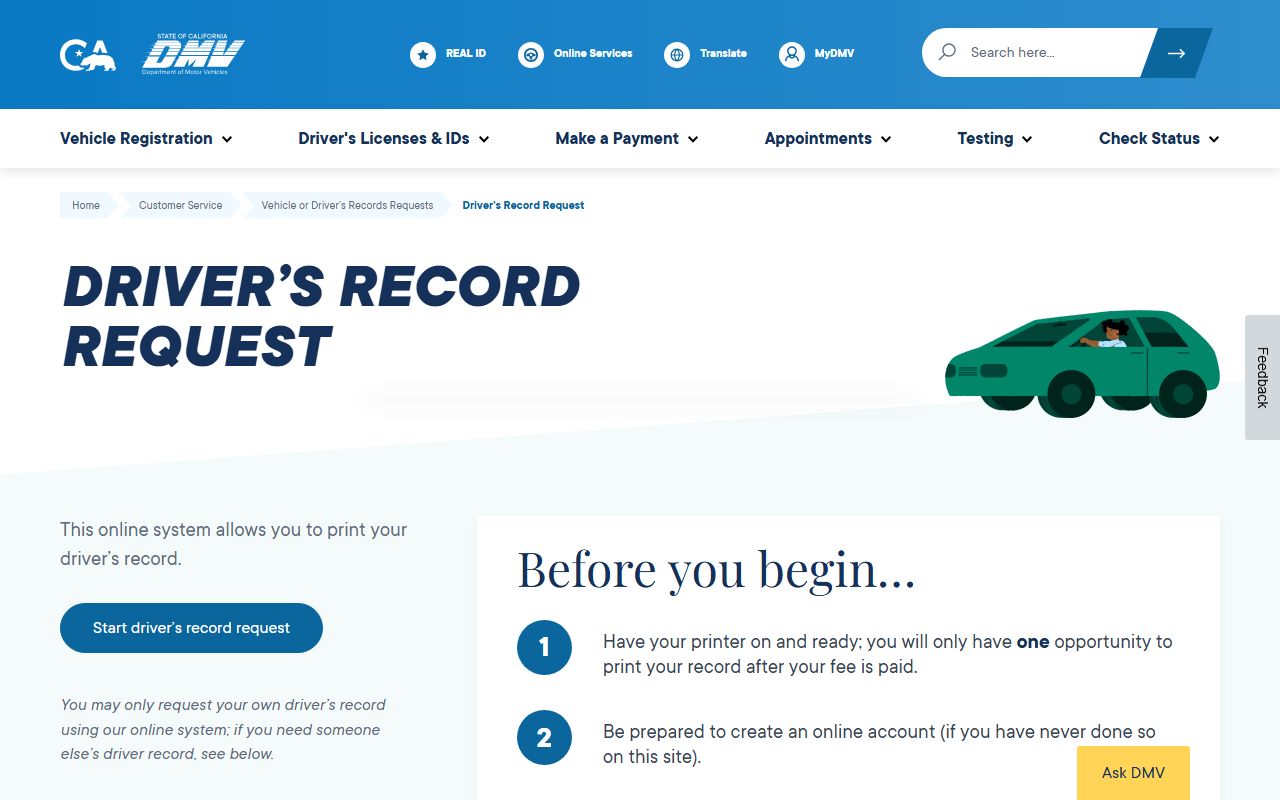
The online record shows all reportable information. This includes convictions from the past three, seven, or ten years based on the violation type. DUI convictions appear for the full ten years. You also see departmental actions like license suspensions. Some older records may show limited details if they predate 2019 system changes.
If you need someone else's driving record, you must fill out Form INF 70. Mail it to the DMV Information Release Unit at PO Box 944247, Sacramento, CA 94244-2470. Include a check for five dollars per record. The mail fee is higher than the online cost. California Code of Regulations Section 350.44 sets these fees.
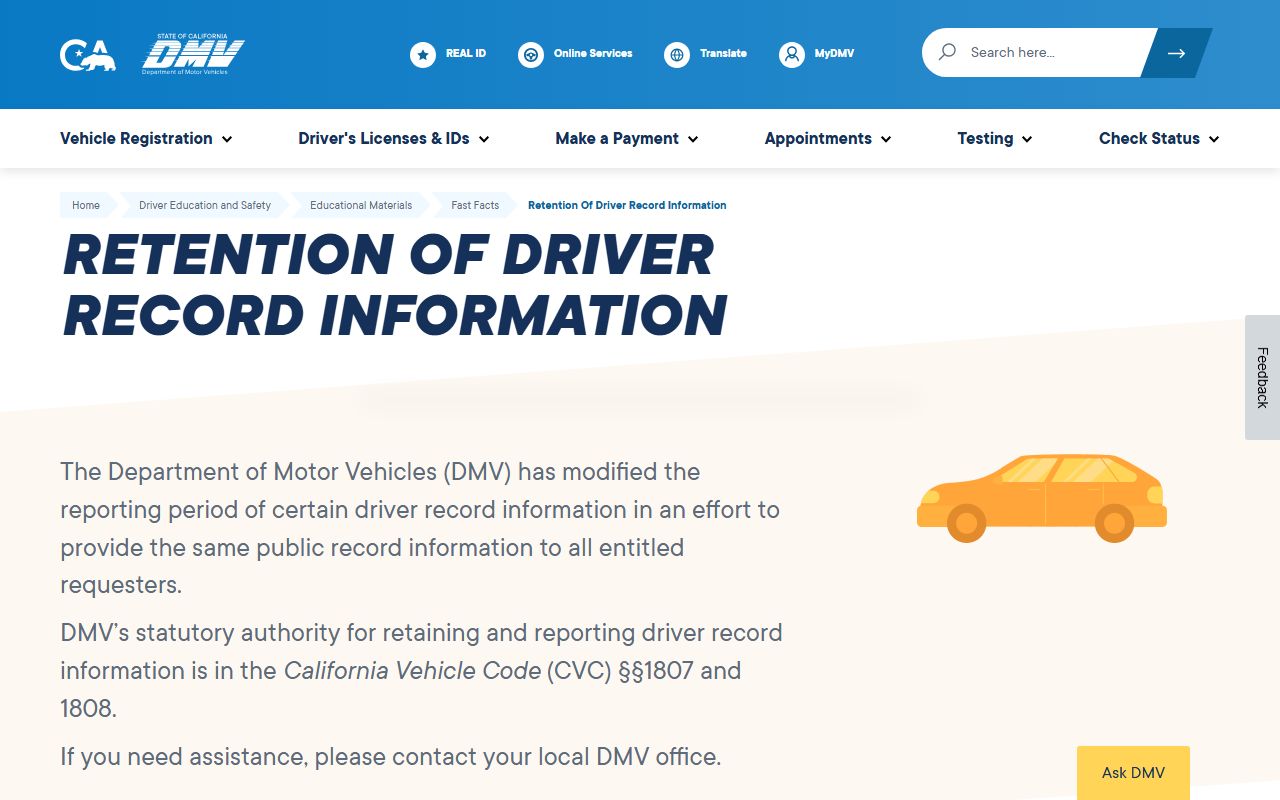
The retention rules come from California Vehicle Code Sections 1807 and 1808. These laws tell the DMV how long to keep each type of violation on file. DUI is one of the longest retention periods for noncommercial drivers.
Admin Per Se Suspensions
California has an administrative license suspension program. Officers call it Admin Per Se or APS. This started in 1990 as a DUI deterrent. The DMV suspends your license if you get arrested for DUI with a blood alcohol level of 0.08 percent or more. You lose your license even before any court case. The suspension is separate from criminal charges.
When an officer arrests you for DUI, they take your license. They give you a temporary permit good for 30 days. You have ten days from that date to request a hearing with the DMV Driver Safety Branch. If you miss that deadline, the suspension goes into effect automatically. Call the Driver Safety Branch at 833-543-7703 to request your hearing. This number connects you to the office that handles all Admin Per Se cases statewide.
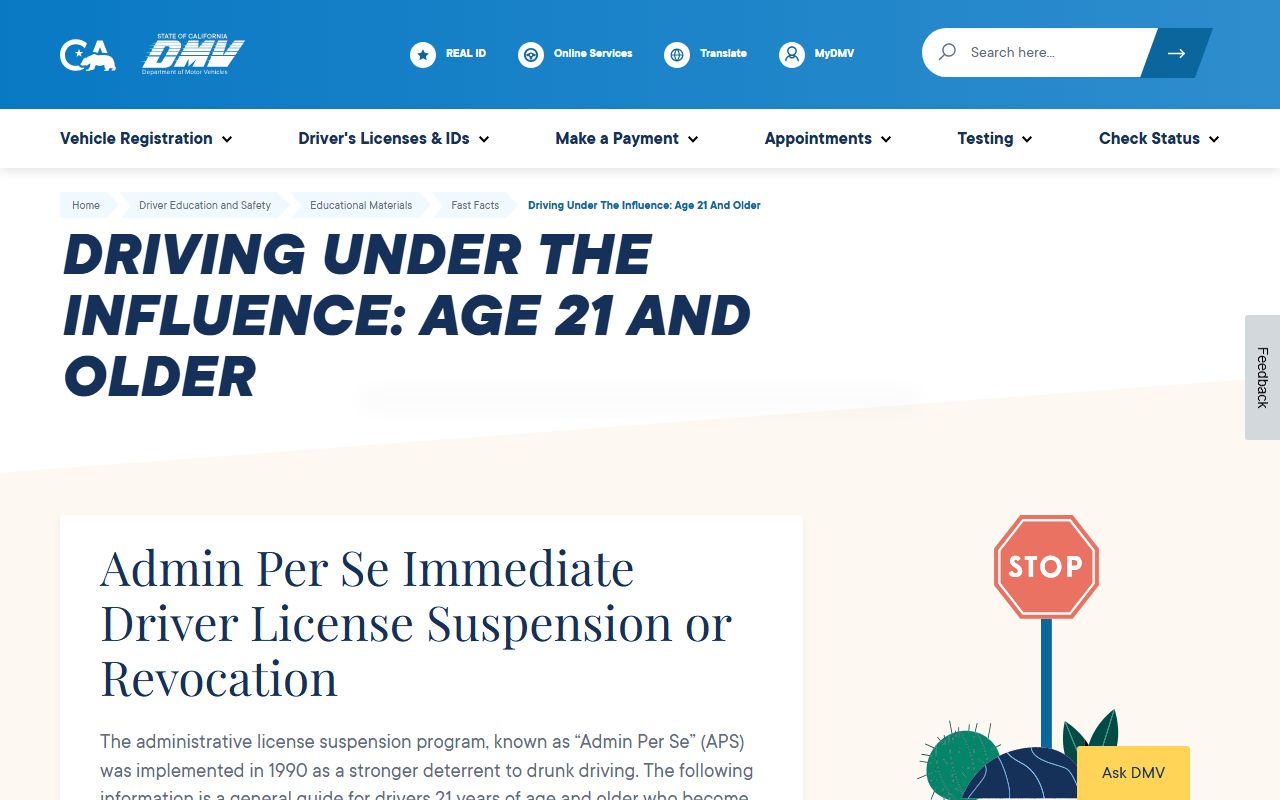
First offense suspensions last four months. If you have a prior DUI within ten years, the suspension extends to one year. Refusing a chemical test brings harsher penalties. A first refusal means one year suspension or two years if you were on DUI probation. A second refusal within ten years triggers a two-year revocation or three years if on probation.
Getting your license back requires several steps. Pay a $125 reissue fee to the DMV under Vehicle Code Section 14905. File proof of financial responsibility using an SR-22 form from your insurance company. Keep that SR-22 active for three years. Without these items, the DMV will not reinstate your driving privilege. The DMV Fast Facts page explains all reinstatement requirements.
Superior Court DUI Cases
Each county in California has a Superior Court. These courts handle all DUI criminal cases. When police arrest someone for DUI, the case gets filed at the courthouse in that county. The court clerk keeps a file with every document. This includes the complaint, police reports, court minutes, and the final judgment. Most counties let you search case information online through their public portal.
Online court portals show basic case details. You can see the defendant name, case number, charge codes, and hearing dates. Some counties display disposition information and sentencing details. Documents like police reports usually stay restricted. You have to visit the courthouse to request copies of most documents. The California Courts Self-Help Guide explains how to look up cases.
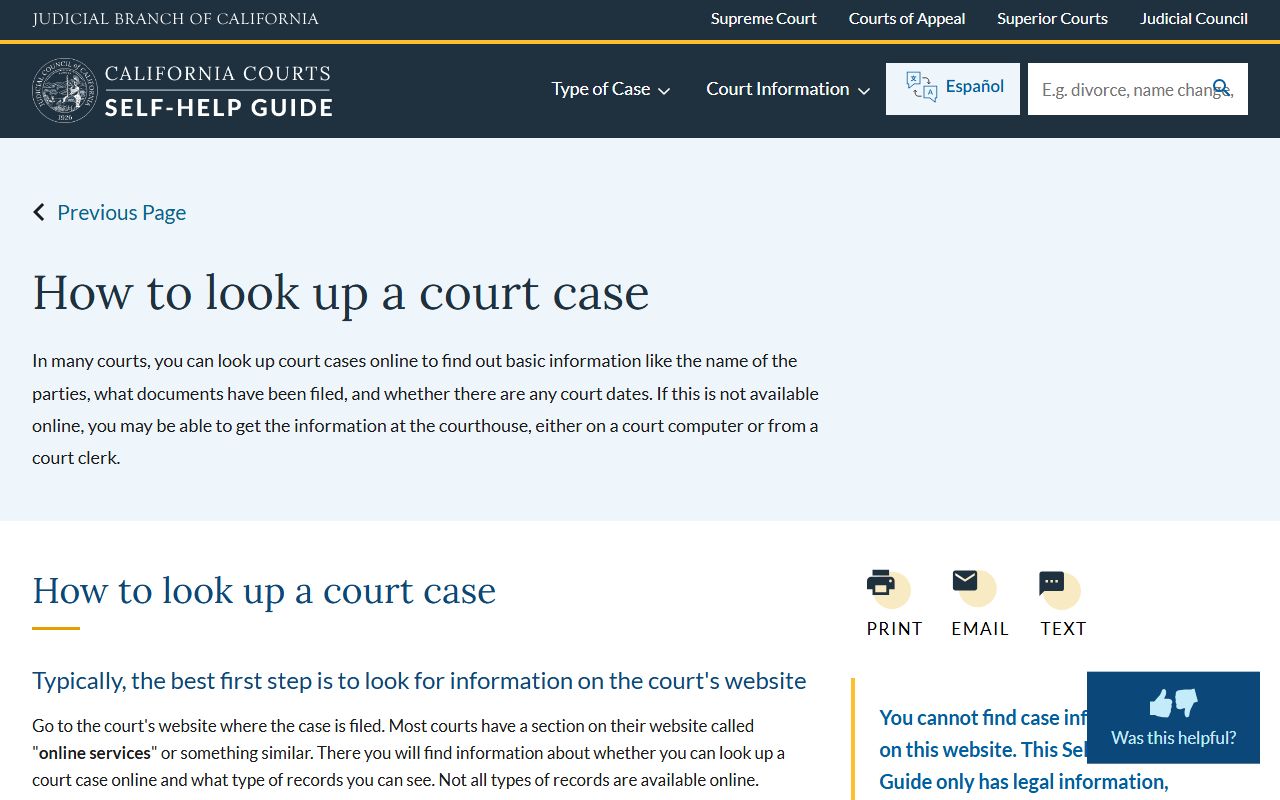
California Rule of Court 2.503 limits what you can see online for criminal cases. This protects privacy in sensitive cases. You may find limited information about some DUI cases on a court website. Full records require a trip to the clerk's office or a formal records request.
Most California courts use one of three case management systems. Tyler Technologies Odyssey serves Los Angeles, Orange, San Diego, Alameda, Fresno, Kern, and Santa Clara counties. JournalTech eCourt handles Sacramento, Placer, and Marin. Some smaller counties still require in-person searches. The Find Your Court tool shows which system your county uses.
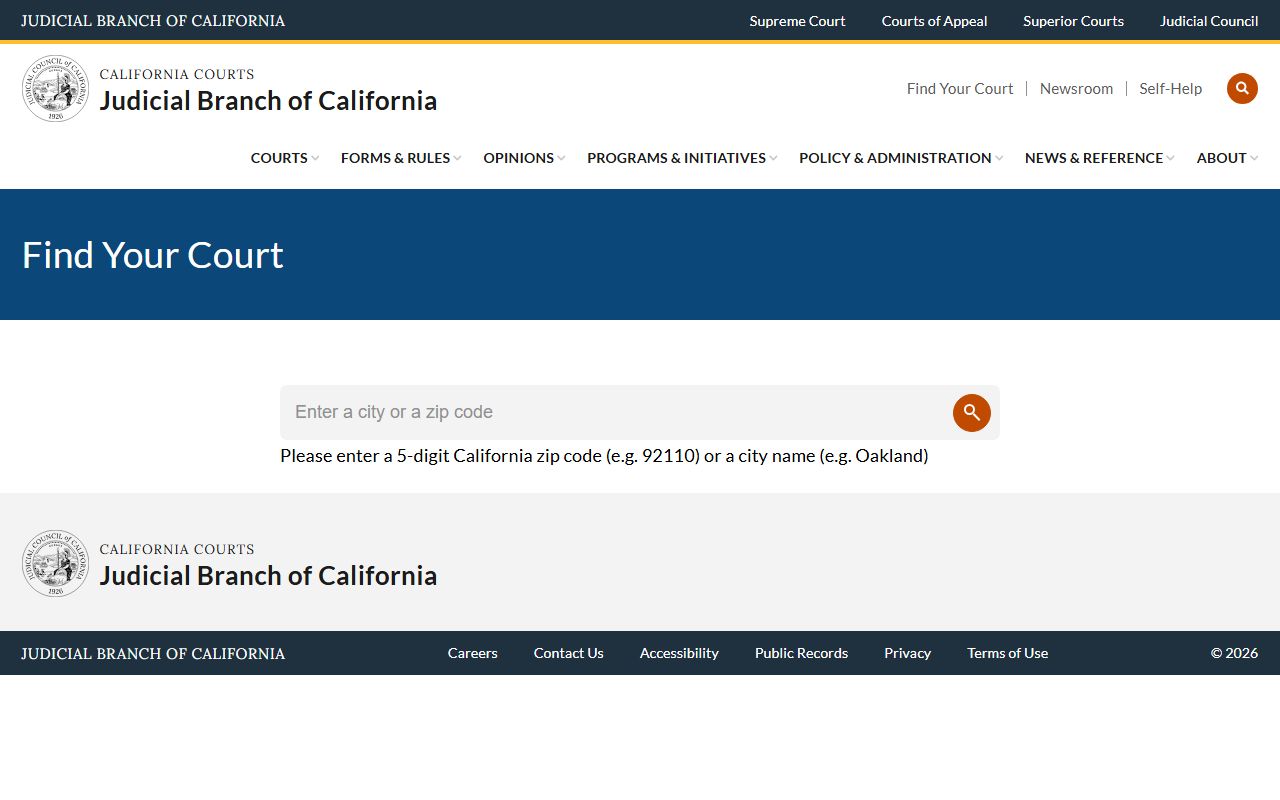
Search fees vary by county. Many charge $15 for name searches that take more than ten minutes of staff time. Sacramento Superior Court discontinued all online search fees in recent years. Document copies typically cost 50 cents per page. Certified copies run $25 to $40 depending on the court location.
DUI misdemeanor records in many counties get destroyed after ten years. This is a records retention policy, not an expungement. The court purges old files to save space. If you need records from an older DUI case, request them before the ten year mark passes. Some courts keep felony DUI records longer than misdemeanors.
California DOJ Criminal Records
The California Department of Justice maintains the statewide criminal record repository. Every arrest that includes fingerprinting gets sent to DOJ. They create a Record of Arrests and Prosecutions, called a RAP sheet. This document lists all arrests, charges, and dispositions tied to your fingerprints. DUI arrests appear on RAP sheets.
Only you can request your own criminal history from DOJ. Third parties cannot get someone else's RAP sheet without legal authority. To request your record, use Live Scan fingerprinting at any authorized site. Fill out Form BCIA 8016RR and check the box for Record Review. Take the form to a Live Scan location. The technician scans your prints and sends them to DOJ with a $25 processing fee.
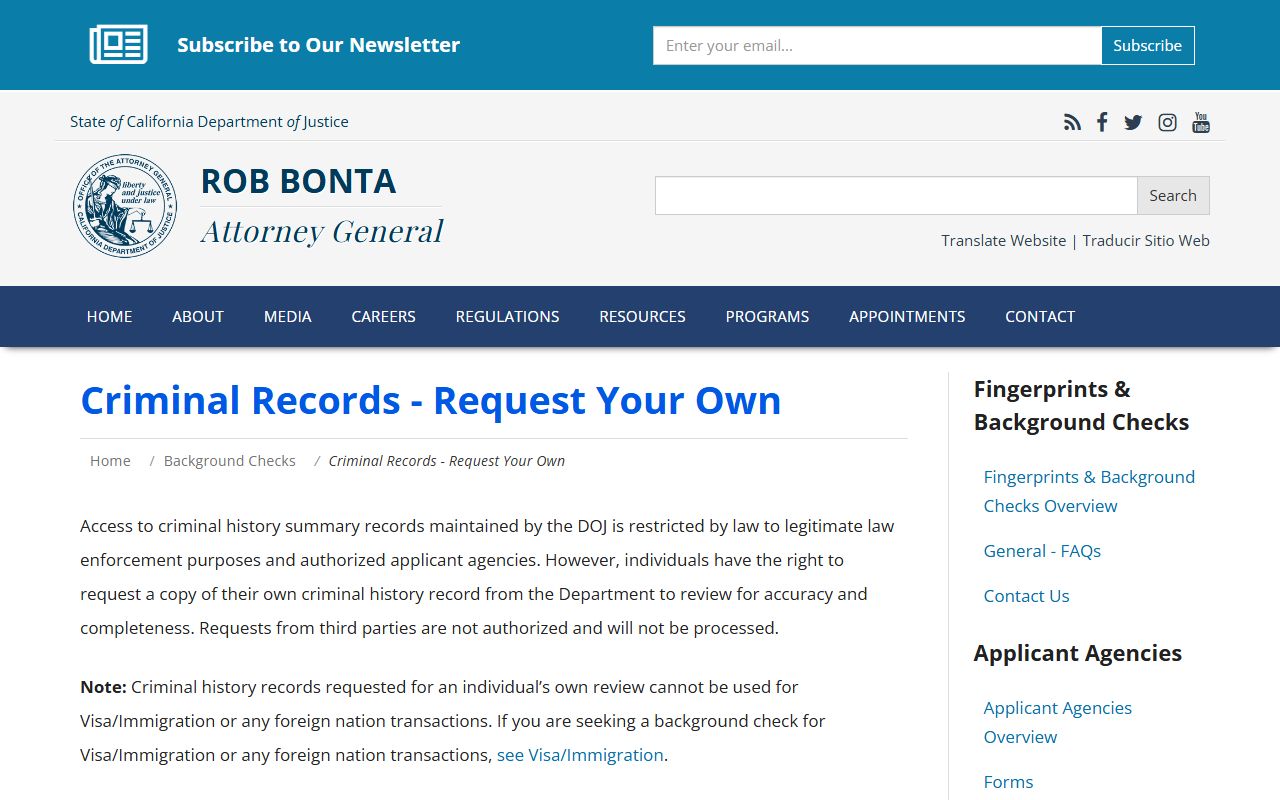
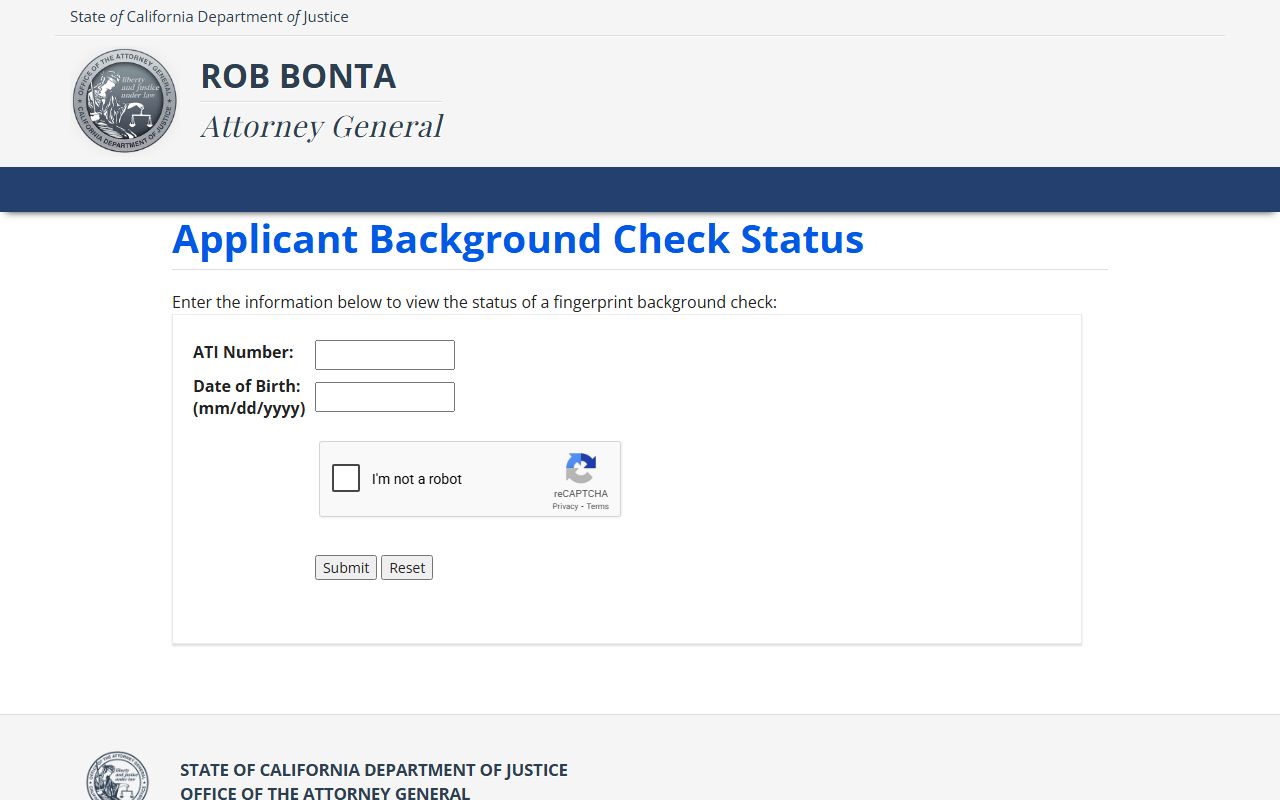
Processing time depends on whether DOJ finds a match. If your prints match nothing in the database, you get results in 48 to 72 hours. If they find a match, a technician must review the RAP sheet manually. This takes longer. You can check your request status at applicantstatus.doj.ca.gov using your ATI number from the Live Scan receipt.
DOJ keeps criminal records until the person reaches 100 years of age. Expunging a DUI under Penal Code Section 1203.4 does not remove it from the RAP sheet. The record gets marked as dismissed, but it still appears. Law enforcement and some employers can still see it. You can contact the Record Review Unit at 916-227-3849 if you find errors on your RAP sheet.
A DUI expungement also does not help with DMV records. Vehicle Code Section 13555 makes this clear. Dismissing a DUI under Penal Code 1203.4 does not affect any DMV suspension or revocation. The DMV still counts the DUI as a prior offense if you get arrested again within ten years.
Police Arrest Reports
City police departments and county sheriffs keep arrest reports for DUI cases. These reports include the officer's narrative, field sobriety test results, and chemical test information. Most departments will not release arrest reports to the person arrested. You usually need a lawyer to get them through the discovery process in your criminal case.
If you need a copy of a police report for another reason, you can file a California Public Records Act request. Many large police departments use online portals for these requests. Los Angeles uses recordsrequest.lacity.org. San Diego uses sandiego.nextrequest.com. Fees vary by agency. Some charge per page while others charge a flat fee per report.
Counties where cities contract with the sheriff for police services handle records differently. The sheriff's department keeps all arrest reports in those areas. Lancaster, Palmdale, and many smaller cities fall into this category. Check whether your city has its own police department or contracts with the county sheriff.
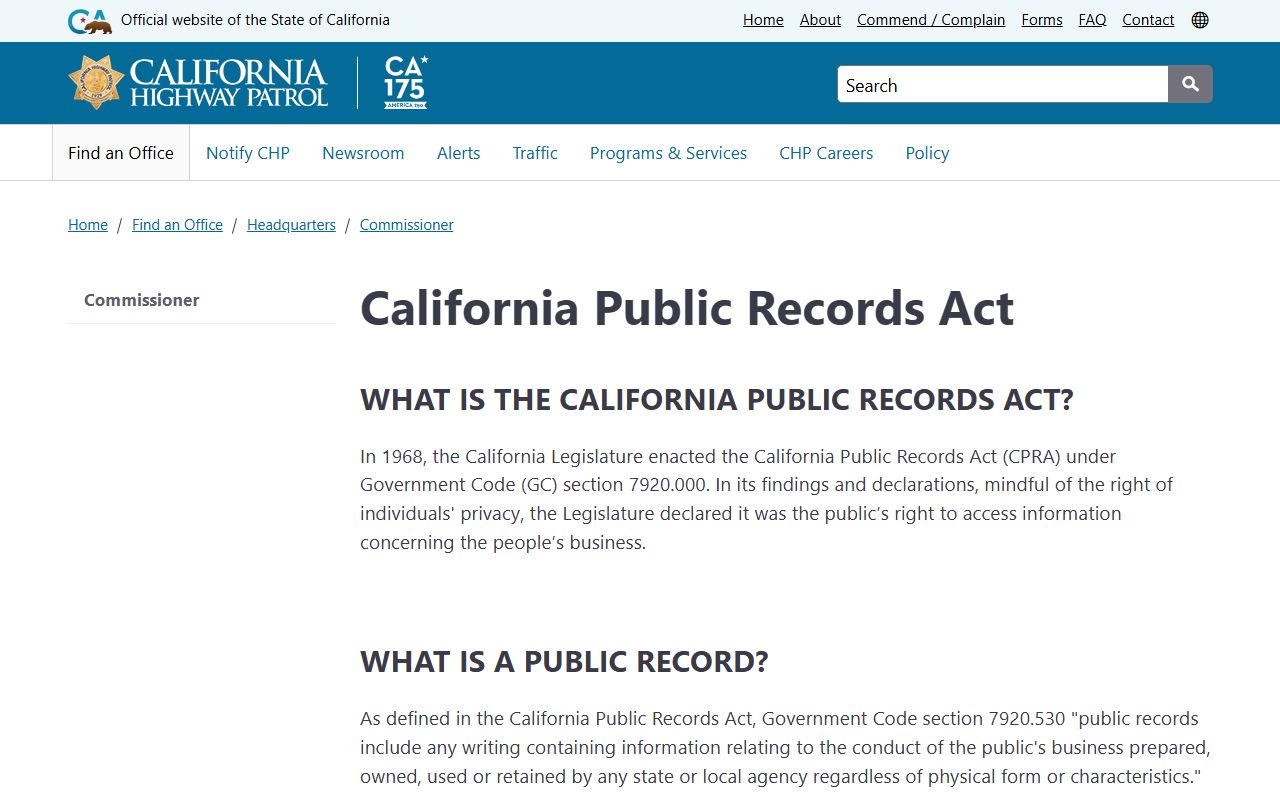
The California Highway Patrol handles DUI arrests on state highways and in unincorporated areas. You can request CHP reports through their Public Records Center. Include the date, location, and subject of the incident in your request. The Public Records Act requires a response within ten days, though agencies can extend this by 14 days if needed.
DUI Laws in California
Vehicle Code Section 23152 defines DUI offenses in California. The law has several subsections. Section 23152(a) makes it illegal to drive under the influence of alcohol. Section 23152(b) sets the legal limit at 0.08 percent blood alcohol content. You can get charged with both at the same time. The statute also covers drugs and combinations of drugs and alcohol.
Commercial drivers face stricter limits under Section 23152(d). The legal limit drops to 0.04 percent when driving a commercial vehicle. Drivers under 21 fall under the zero tolerance law in Vehicle Code Section 23136. Any detectable alcohol of 0.01 percent or more triggers penalties for underage drivers. This is a civil violation, not a criminal offense. It does not create a criminal record.
Vehicle Code Section 23153 covers DUI causing injury. This is a more serious charge than standard DUI. It applies when someone drives under the influence and causes bodily harm to another person through a negligent act. These cases often get filed as felonies. Felony DUI records stay on file longer than misdemeanor cases. The DMV also imposes longer revocation periods for injury DUI convictions.
You can read the full text of these laws on the California Legislative Information website. Vehicle Code Section 23152 shows all the subsections and current penalties. The legislature updates these codes periodically. Always check for the most recent version when researching DUI law.
Statewide Search Tools
California does not have one central database for all DUI records. Each agency keeps its own system. You need to search multiple places to get a complete picture. Start with the DMV for driving record information. Then check the Superior Court in the county where the arrest happened. Add a DOJ record check if you need a statewide criminal history.
Some private companies offer criminal record searches, but these pull from limited sources. They may miss recent arrests or cases in certain counties. Official government databases give you the most accurate and up to date information. The small fees for official records are worth it for reliability.
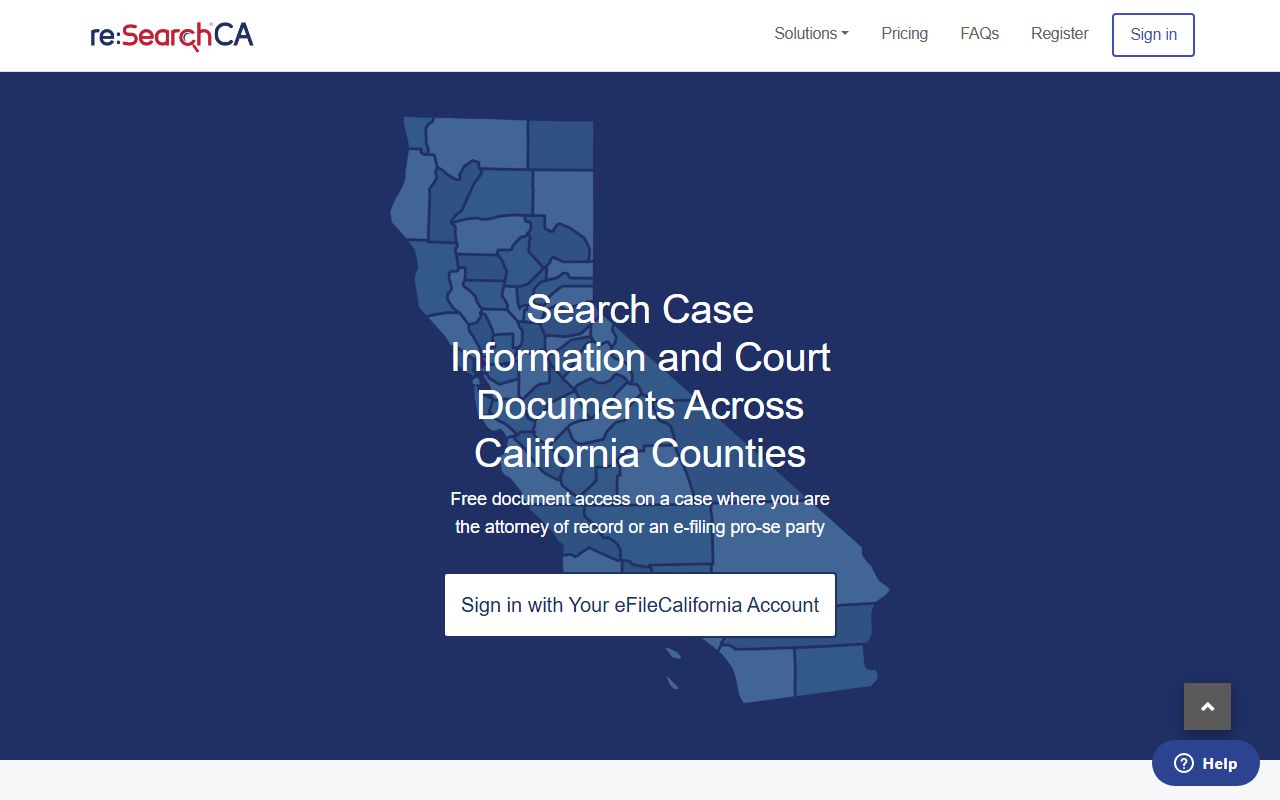
A few counties participate in the Tyler re:SearchCA portal at researchca.tylerhost.net. This lets you search multiple counties at once if they use the Tyler Odyssey system. Coverage remains limited compared to searching each county individually.
For jail and booking information, most sheriffs maintain inmate search tools on their websites. These show current inmates and recent bookings. Los Angeles, Orange, San Diego, Riverside, and other large counties all have public inmate locators. These help you find out if someone is currently in custody on a DUI charge.
Who Can Access DUI Records
California law treats DUI records as public in most situations. Court records for criminal cases are public unless sealed by a judge. Anyone can go to the courthouse and ask to see a criminal case file. Online access may show less detail than in-person records, but the basic case information stays public.
DMV driving records have more restrictions. You can only get your own record through the online system. Getting someone else's record requires filling out Form INF 70 and showing a permissible use under the law. Employers, insurance companies, and courts can request driving records for specific purposes. Regular people cannot pull someone's DMV record without consent.
DOJ criminal records are the most restricted. Only you can request your own RAP sheet for personal review. Law enforcement agencies can access these records for official purposes. Some employers with fingerprint requirements can run DOJ background checks as part of hiring. The general public cannot request DOJ records for other people.
Privacy rules also affect arrest reports from police and sheriffs. Many agencies redact personal information from reports before releasing them. Names of victims and witnesses often get blacked out. The agency decides what information to withhold based on ongoing investigations and privacy laws.
Record Search Fees
Every agency in California charges different fees for DUI records. The DMV costs just two dollars online or five dollars by mail. This is one of the cheapest official records in the state. Court searches vary more. Many counties charge $15 for name searches that take staff time. Document copies run 50 cents per page in most places. Certified court documents cost $25 to $40 depending on the court.
The DOJ charges $25 for criminal record reviews. You also pay the Live Scan site fee, which varies by location. Some sites charge $20 while others charge $50 or more for fingerprinting. Fee waivers are available if you meet income requirements. Police and sheriff reports range from free to $30 depending on the agency. Los Angeles PD charges $24 for crime reports. Sacramento PD offers many reports for free through their online portal.
Third-party services like VitalChek or private background check companies add service fees on top of government costs. These convenience fees can double or triple the total price. Using official government websites saves money when you know which agency to contact.
State Agency Contact Info
The DMV Information Release Unit handles all driving record requests by mail. Send requests to PO Box 944247, Sacramento, CA 94244-2470. Call 916-657-8098 for questions about driving records. The Driver Safety Branch handles Admin Per Se hearings at 833-543-7703.
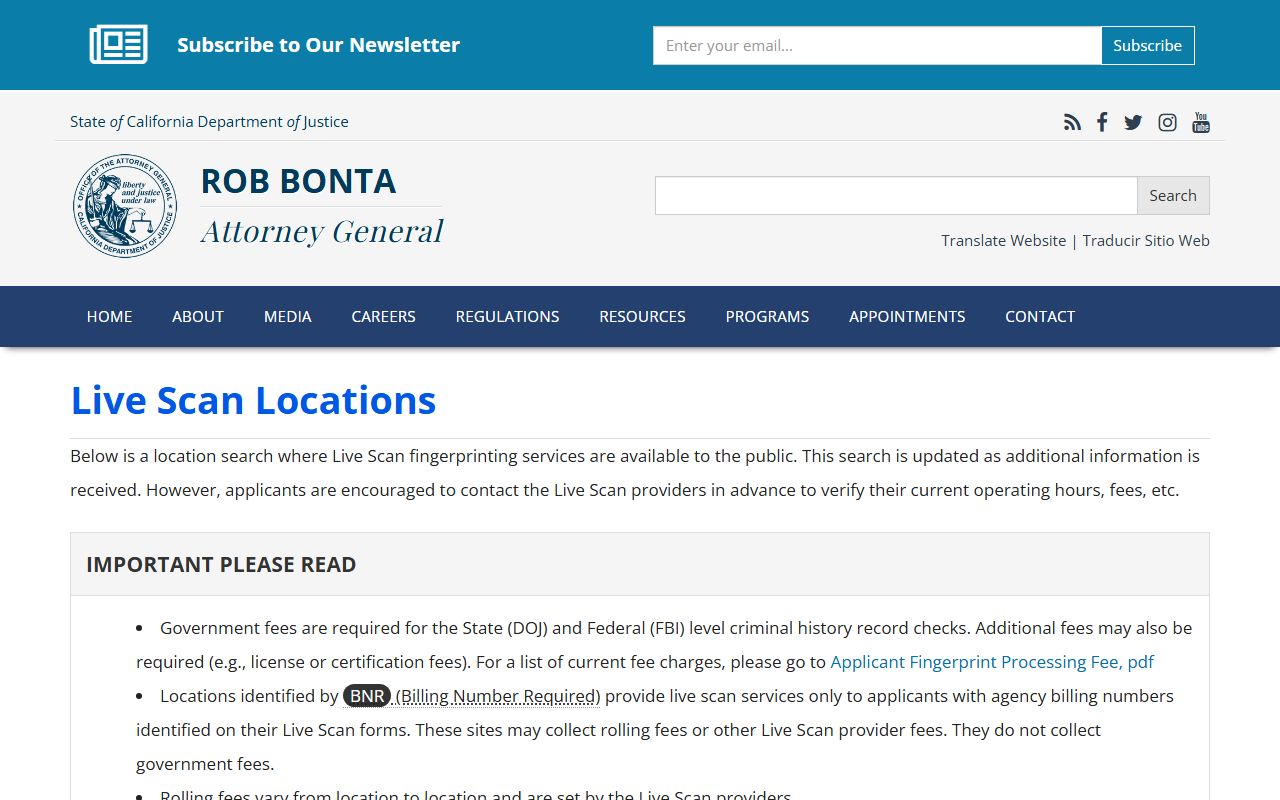
The California Department of Justice Record Review Unit can be reached at 916-227-3849. Mail record review requests to PO Box 160207, Sacramento, CA 95816-0207. Email recordreview@doj.ca.gov for questions about criminal history records. The DOJ also has a Live Scan Locations finder on their website.
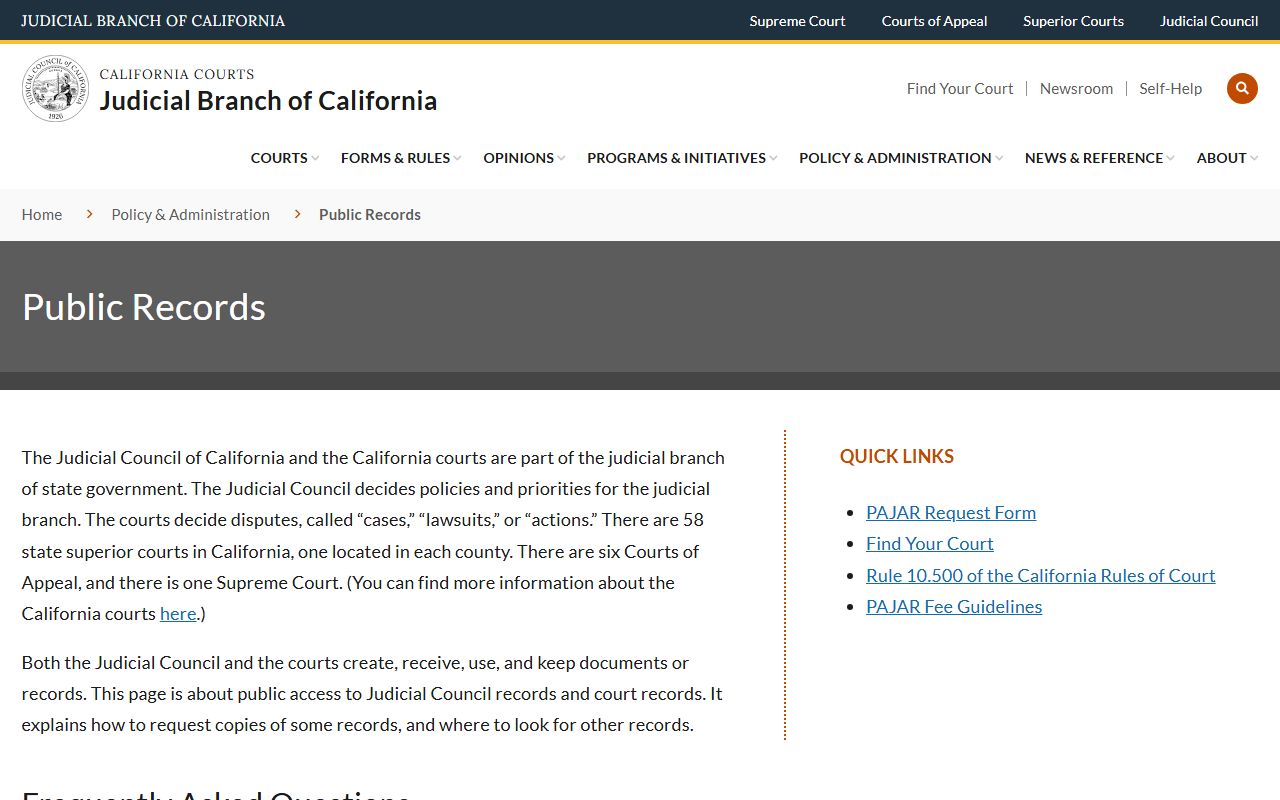
The Judicial Council of California handles public records requests for the statewide court system. They do not keep individual case files. Contact them at 415-865-7796 or email PAJAR@jud.ca.gov. For specific case records, contact the Superior Court in the county where the case was filed. The Judicial Council public records page explains the process.
Each county Superior Court has its own clerk's office and phone number. You can find contact information through the Find Your Court tool or by visiting the court's website directly. Most counties list their hours, location, and fees online.
Browse DUI Records by Location
Search by County
Every California county maintains DUI case records at its Superior Court. County sheriffs also keep arrest records and jail booking information. Choose a county below to learn about local search options and court contact details.
View All 58 California Counties
Search by City
Major cities have their own police departments that handle DUI arrests. Search for records in your city's jurisdiction or find out which county court handles cases from that area.